Oral Microbiological Test (qPCR): Periodontitis, Candida, Halitosis, and Systemic Health
The mouth hosts a complex community of microorganisms—the oral microbiota—which, when balanced, usually coexists without causing problems.
When this balance is disrupted and a pathogenic biofilm (dental plaque) develops, conditions such as gingivitis, periodontitis, peri-implantitis, halitosis (bad breath) and other oral complications may occur.
The oral microbiota may influence not only oral health but also overall health. Numerous scientific studies suggest that certain periodontal bacteria are associated with cardiovascular disease, type 2 diabetes, and neurodegenerative disorders such as Alzheimer’s and Parkinson’s.
At our clinic, we offer an oral microbiological test using PCR (qPCR), which allows us to identify and quantify relevant bacteria and fungi in order to design a personalized treatment plan.
Would you like to have an analysis with us? Request an assessment.
Keep discovering the Oral Bacteriological Test
What does the test analyze?
Depending on the clinical situation, we offer different types of analyses:
Periodontal Bacterial Test
Detects bacteria associated with periodontitis and helps us assess the risk of progression or reinfection.
Peri-implantitis Test
Evaluates the bacterial profile around dental implants in cases of inflammation or bone loss.
Candida Test
Detects Candida albicans and other species in cases of burning sensation, dry mouth, denture-related discomfort, or mucosal lesions.
Halitosis (Bad Breath) Test
Helps identify oral biofilm imbalances or anaerobic bacteria that may contribute to unpleasant odor and supports targeted treatment planning.
Additional Microbiological Studies
In complex cases, we may also perform additional biofilm and mucosal analyses for recurrent infections or mucositis.
Oral microbiota and overall health
Recent scientific advances confirm that an imbalanced oral microbiota may have systemic effects through inflammatory mechanisms and bacteremia (the transient passage of bacteria or their components into the bloodstream).
Cardiovascular disease
There is solid evidence linking periodontitis with atherosclerotic cardiovascular disease. Periodontal bacteria and chronic inflammation may contribute to vascular damage and an increased cardiovascular risk.
For this reason, leading scientific organizations (e.g., EFP and WHF) recommend maintaining healthy gums as part of a comprehensive cardiovascular prevention approach.
Type 2 diabetes
The relationship is bidirectional: poorly controlled diabetes can worsen periodontitis, and periodontitis may make glycemic control more difficult.
Non-surgical periodontal treatment may help improve HbA1c levels in the short term and support metabolic stability.
Neurodegenerative diseases (Alzheimer’s and Parkinson’s)
Several recent studies report associations between periodontal pathogens (such as Porphyromonas gingivalis, Treponema denticola, and Tannerella forsythia) and neuroinflammatory processes.
Bacterial fragments and enzymes (for example, gingipains) have been detected in brain tissues of Alzheimer’s patients, suggesting a possible contributing role in the development or progression of the disease.
In addition, metagenomic studies show specific oral microbial signatures in Parkinson’s patients, supporting the hypothesis of a connection between the oral microbiota and the nervous system.
Important: Research supports associations, but not direct causation.
These tests do not diagnose systemic diseases such as Alzheimer’s or Parkinson’s; they provide valuable information about the inflammatory and microbial status that may influence overall health.
Keep discovering the Oral Bacteriological Test
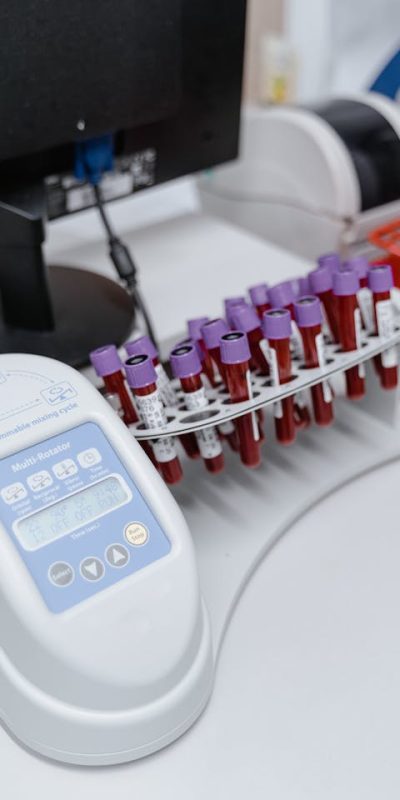
How is the test performed?
- Comprehensive clinical evaluation (gums, periodontal probing, X-rays, symptoms).
- Subgingival or mucosal sample collection using sterile tips/swabs.
- Laboratory shipment and qPCR analysis.
- Report with results (bacterial/fungal findings and microbial load).
- Individualized treatment plan and follow-up monitoring.
Treatment and follow-up
Treatment focuses on:
• Professional biofilm control (mechanical supragingival and subgingival cleaning).
• Improving oral hygiene and daily habits.
• Managing risk factors (smoking, diabetes, stress, diet, etc.).
• Regular periodontal maintenance (supportive periodontal care / SPC).
Therapeutic adjuncts
• Periodontal laser: may support the reduction of bacterial load and local inflammation.
• Oral probiotics: may help promote a healthier recolonization of the microbiome.
• Multidisciplinary medical collaboration: recommended for patients with systemic conditions.
What this test can offer you
✔ More precise, personalized diagnosis and planning.
✔ Identification of relevant bacteria and fungi.
✔ Improved effectiveness of periodontal therapy.
✔ Prevention of relapses and better inflammation control.
✔ A contribution to overall health and holistic well-being.
What the test does not promise
✖ It does not diagnose systemic diseases.
✖ It does not replace professional periodontal treatment.
✖ It does not provide a permanent cure without maintenance.
Request your Oral Bacteriological Test
Location | Son Sardina Dental Clinic
Book your assessment
If you notice bleeding gums, bad breath, tooth mobility, implant discomfort, or recurrent oral symptoms, please book an appointment.
We will perform a comprehensive periodontal evaluation and, if indicated, a personalized microbiological test to better understand your oral microbiota and support your health from the root cause.

Localition
Camí de Passatemps, 123, Bajo, 07120 Son Sardina, Illes Balears

Contact
Our Landline is +34 971 43 86 73
For Emergencies: +34 679 09 14 76
Via WhatsApp: +34 679 09 14 76 or click the web button.
Legal / medical disclaimer
The oral microbiological test is a complementary diagnostic tool. It does not replace clinical examination or treatment prescribed by your dentist or physician. Results are used to support individualized care and must not be interpreted as a diagnosis of systemic diseases.
Privacy Policy Summary | Son Sardina Dental Clinic
| BASIC INFORMATION ON DATA PROTECTION | |
| Data Controller | SVETLANA FOTINA |
| Controller’s Address | C/. Passatemps,123 Bj., CP 07120, Son Sardina (Balears (Illes)) |
| Purpose | Your data will be used to attend to your requests and provide you with our services. |
| Advertising | We will only send you advertising with your prior authorization, which you can provide us with through the corresponding checkbox established for this purpose. |
| Legitimization | We will only process your data with your prior consent, which you can provide us with through the corresponding checkbox established for this purpose. |
| Recipients | In general, only the personnel of our entity who are duly authorized may have knowledge of the information we request from you. |
| Rights | ou have the right to know what information we have about you, correct it, and delete it, as explained in the additional information available on our website. |
| Additional Information | More information in the «PRIVACY POLICY» section of our website. |